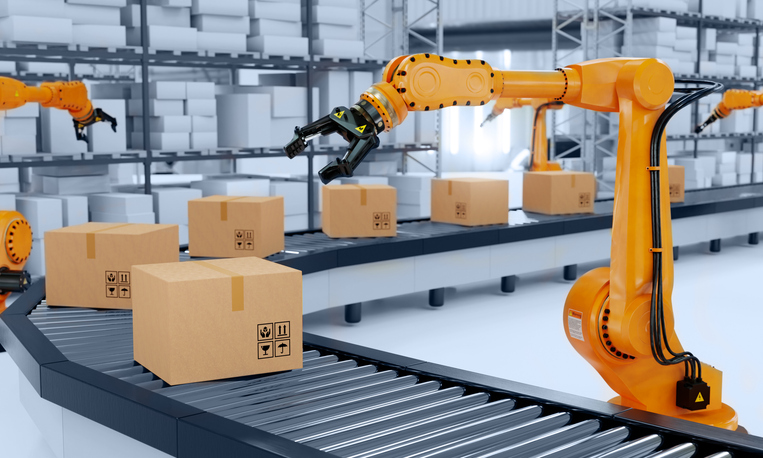
The logistics industry is transforming as automation evolves into a strategic ally in workforce development. Rather than eliminating roles, automation reshapes them, enhancing human skills and creating new career pathways to meet rising operational demands. This shift is vital as companies face ongoing labor shortages in warehouses, distribution centers, and transportation networks. Automation bridges these gaps by redistributing tasks, enabling employees to focus on higher-value responsibilities, and improving overall safety and strategic contributions.
AUTOMATE FROM END TO END
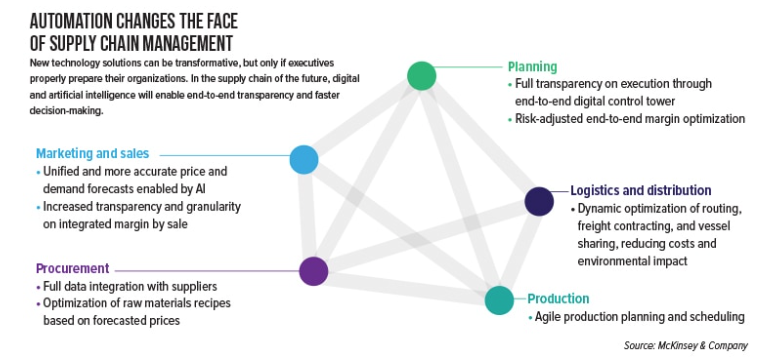
How Automation Drives Workforce Expansion
Creation of New Technical and Digital Roles: Jobs such as Robotics and Automation Technicians, Control Systems Specialists, Supply Chain Data Analysts, and AI/Machine Learning Specialists have become essential in modern logistics operations. Many of these positions did not exist just a decade ago.
Growth in Human-Robot Collaboration: Automated systems still require human oversight. Workers are needed to manage exceptions, troubleshoot issues, and optimize workflows. This collaboration increases, not decreases, the demand for skilled labor.
Expansion of Training and Upskilling Programs: As automation takes over repetitive tasks, companies are investing in employee development. Workers are being trained to operate advanced systems, analyze data, and assume leadership responsibilities.
Increased Demand for Digital-Forward Leadership: There’s a high demand for leaders who understand both technology and human dynamics. Automation initiatives require strong communication, change management, and strategic planning skills.
Automating Through the Talent Gap
Automation elevates the workforce; it doesn’t erase it. Logistics leaders recognize that automation is a tool for strengthening the workforce rather than shrinking it. Automated picking systems, AI-driven forecasting tools, and robotics-enabled workflows are designed to handle repetitive, physically demanding, or error-prone tasks. This allows employees to focus on duties that require judgment, communication, and problem-solving.
As automation becomes more integrated into daily operations, the demand for digitally skilled workers is increasing. Companies need technicians to maintain robotics, analysts to interpret data, and supervisors capable of managing hybrid teams of people and machines. This shift is creating new career paths and highlighting the importance of continuous learning.
Automation isn’t diminishing labor demand; it’s transforming it. Leaders who embrace this change are better positioned to attract talent, retain employees, and build resilient operations.
Why Automation Strengthens Workforce Productivity
Automation isn’t just about efficiency; it enables people to excel in their work. By automating repetitive or physically taxing tasks, employees can focus on responsibilities that require creativity, decision-making, and customer engagement. This shift improves morale, reduces burnout, and enhances employee retention.
Automated inventory systems lessen the need for manual data entry, allowing employees to dedicate more time to analyzing trends and improving processes. Robotics-assisted picking reduces physical strain, enhancing workplace safety and lessening injury-related downtime. Automation enhances accuracy and speed, enabling teams to meet rising customer expectations without overwhelming employees.
What Leadership Strategies Drive Seamless Automation Integration?
Communicate the Purpose of Automation Clearly: Employees should recognize that automation is intended to support them, not replace them. This transparent communication builds trust and mitigates resistance.
Invest in Upskilling and Career Pathways: Training programs assist employees in transitioning into new roles created by automation. Leaders should prioritize continuous learning and provide clear opportunities for advancement.
Design Human-Centered Automation Workflows: The most successful logistics operations blend robotics with human expertise. Leaders should create workflows that maximize collaboration between people and technology.
Celebrate Productivity and Safety Gains: Highlighting improvements in accuracy, speed, and employee well-being reinforces the value of automation and encourages ongoing innovation.
STEPS FOR COMPANIES TO ADAPT TO AI TRANSFORMATION
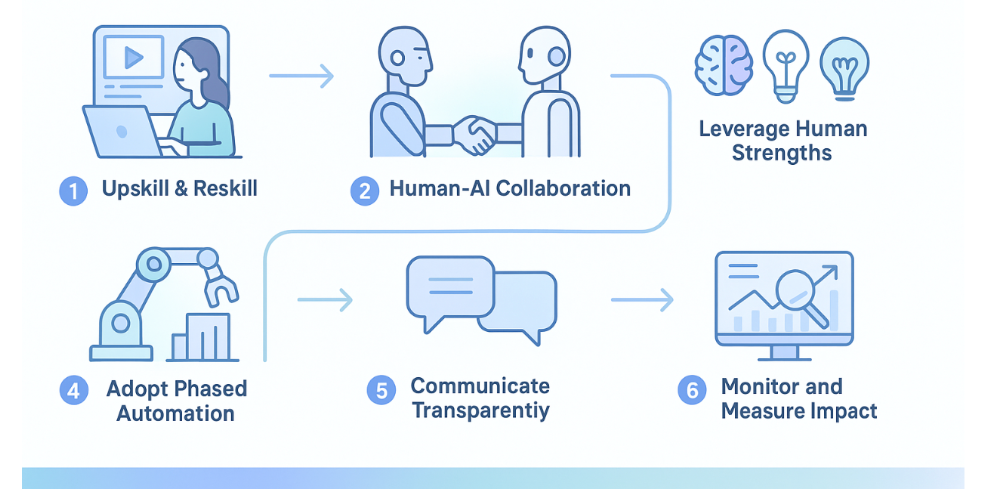
Courtesy of TMA Solutions
How Can Automation Multiply Your Workforce’s Impact?
Looking ahead, automation will continue to reshape logistics. Not by eliminating jobs, but instead, shifting labor demand toward roles that require critical thinking, digital literacy, and leadership. Companies and leaders that embrace automation as a workforce multiplier will be better prepared to navigate disruptions, meet customer expectations, and create meaningful career opportunities.
Automation isn’t the end of human work in logistics; it represents the beginning of a more dynamic, skilled, and resilient workforce, one where people and technology collaborate to drive the industry forward.
About Express Employment Professionals
At Express Employment Professionals, we’re in the business of people. From job seekers to client companies, Express helps people thrive, and businesses grow. Our international network of franchises offers localized staffing solutions to the communities they serve across the U.S., Canada, South Africa, Australia, and New Zealand, employing more than 11 million people since its inception. For more information, visit ExpressPros.com/Employers or ExpressPros.ca/Employers.

Last Updated on July 11, 2026
