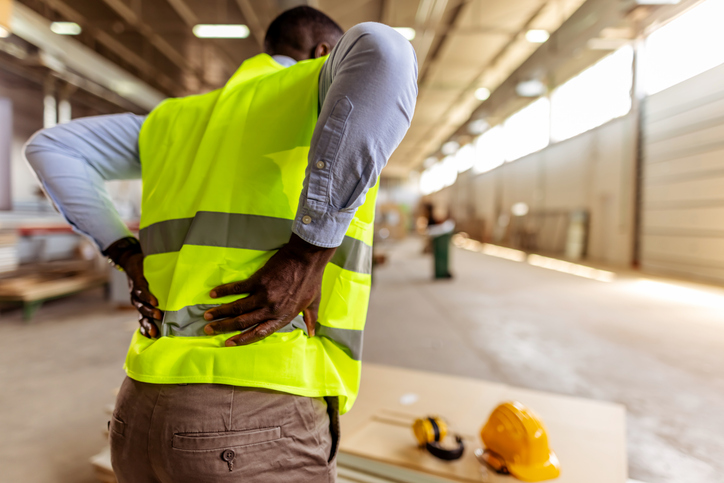
Safety at work is paramount to doing your job well and meeting business goals. Workplace injuries can be catastrophic, resulting in time away from work, long-term disability, or in the most severe cases, even death. It’s vital to be aware of risks and practice workplace safety to lower your risk.
Forklift Safety
Seventy percent of accidents involving forklifts are preventable with safety measures, according to the Occupational Safety and Health Administration.
- Wear your seat belt.
- Ensure the load is properly secured to avoid shifting while traveling.
- Keep loads as low as possible while driving.
- Always look in the direction of travel or use a spotter.
- Slow down and sound the horn at cross aisles and other areas where your view is obstructed.
- Don’t park in unauthorized areas or block an aisle or exit.
- Only operate a forklift if you’re properly trained and certified.
Machine and Mobile Equipment Safety
Machine safety practices help protect workers from production equipment, conveyor belts, and hand injuries, where hair, hands, or clothing can get caught in moving parts, leading to serious injuries.
- Remain alert to equipment moving around you. Listen for horns or signals and look for hazards.
- Stay within marked foot traffic lanes, if available.
- Don’t go near any moving equipment unless it is necessary.
- Keep eye contact with the equipment operator. See and be seen.
- Don’t walk alongside moving equipment. If it’s necessary to travel with a piece of equipment, plan with the operator to be in front or behind.
Ergonomics to Avoid Injury
Even minor discomfort can lead to long-term injuries, so setting up a proper, ergonomic workstation is key to preventing pain before it starts.
- Neck—Keep monitors at eye level to reduce strain; Looking down is better than looking up.
- Shoulder—Adjust armrests to avoid strain. Arms should rest at a 90-degree angle without pushing shoulders up.
- Back and Hip—Proper lumbar support and chair height matter! Feet should be flat on the floor, with knees slightly open.
- Hand and Wrist—Keep wrists neutral with ergonomic keyboards and mice to prevent strain.
Ergonomics Expert Explains How to Set Up Your Desk
Manual Material Handling and Lifting Safety
While machine-related injuries may seem more severe, manual material handling or lifting injuries can be just as costly and unpredictable over time. Almost every worker moves objects, including clerical staff, machine operators, and assembly workers.
- Adjust workstations to reduce awkward postures.
- Encourage job rotation and breaks for repetitive tasks.
- Use mechanical assistance whenever possible.
- Use team lifts for heavy objects over 50 lbs.
Avoid Slips, Trips, and Falls
When focused on a task, people may lose awareness of where they step. That’s why clear, clean walking surfaces are crucial for safety. Even a simple slip or trip can be as severe as falling from a height.
- Housekeeping issues—Spills, trash, cords, or open drawers can create hazards.
- Walking surface and equipment maintenance—Uneven floors, poor traction, broken stairs, and unsafe ladders increase risks.
- Environmental conditions—Leaky roofs, icy parking lots, and poor lighting make slips more likely.
Heat Safety
When temperatures rise, so should awareness of heat-related illness at work. Heat-related illnesses can impact anyone working outdoors or indoors, and prevention is the best cure.
- Stay alert.
- Hydrate every 20 minutes.
- Take breaks in a shaded or cool area.
- Dress in loose-fitting, light colored, breathable clothes.
- Be aware of your personal risk factors.
Hand Safety
No matter what your job is, it’s important to stay focused and be alert when working near dangerous equipment.
- Being aware and only perform the job you have been trained to do.
- Remember to keep your hands back. Don’t reach into a machine to attempt to remove jams or fix problems.
- If there is a problem with a machine, notify your supervisor. Lockout/tagout must be followed before a jam can be removed or other maintenance can be performed on the machine.
Stay Proactive for Your Safety
Being proactive is key to prioritizing your safety. Follow guidelines, stay alert, and report any concerns to your supervisor. Taking precautions and remaining aware of your environment and equipment not only helps your well-being, but also the safety of those around you.
About Express Employment Professionals
At Express Employment Professionals, we’re in the business of people. From job seekers to client companies, Express helps people thrive and businesses grow. Our international network of franchises offers localized staffing solutions to the communities they serve across the U.S., Canada, South Africa, Australia, and New Zealand, employing more than 11 million since its inception. Learn more at ExpressPros.com or ExpressPros.ca.

Last Updated on July 11, 2026
