
The language we use at work is constantly changing, but it isn’t random. It’s a direct reflection of our evolving professional landscape. While the core purpose of communication remains—sharing information and getting things done—the specific terms and phrases we use have transformed through generations, driven by several key factors.
Why Workplace Language Evolves
- Technological Advancements: New tools and platforms directly introduce new words or change how existing ones are used. Think of the jump from physical mail to email, then to instant messages and collaborative software. Each shift brings its own vocabulary.
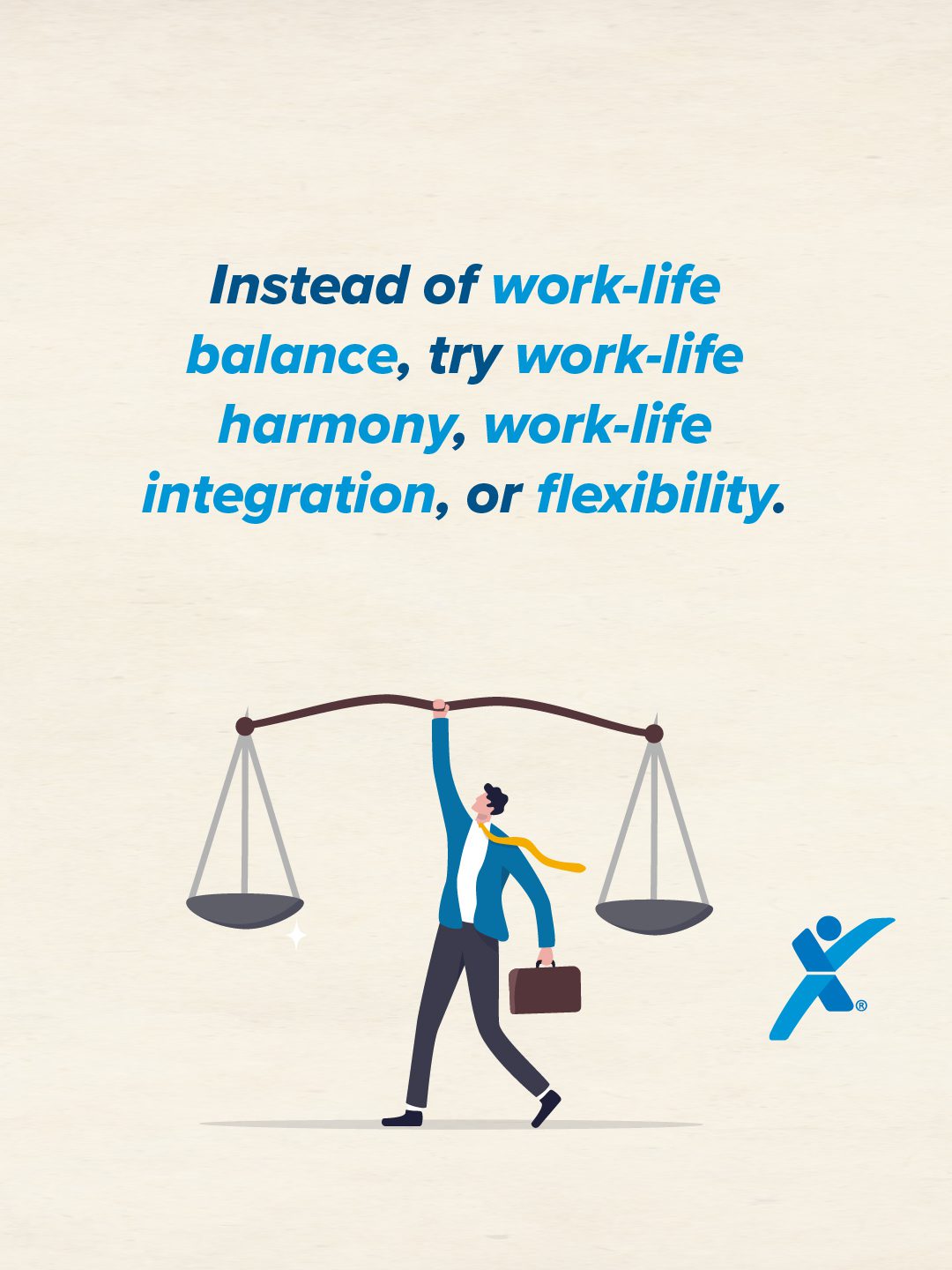
- Cultural Shifts: How we interact and what we value influences our language. As workplaces become more diverse or place a greater emphasis on concepts like collaboration, inclusion, or work-life balance, new terms emerge to reflect these priorities.
- Evolving Business Models: New ways of organizing work, managing projects, and measuring success create new terminology. The shift toward agile methodologies or data-driven decision-making, for instance, has introduced a whole new lexicon.
- Informal Communication: As communication tools become more immediate and less formal, our language adapts too. The rise of chat apps has made quick, shorthand phrases common, replacing more formal exchanges.
- Jargon Migration: Specialized terms from specific fields, like tech or finance, often cross over into general use as people are more widely exposed to them.
Evolving Workplace Language
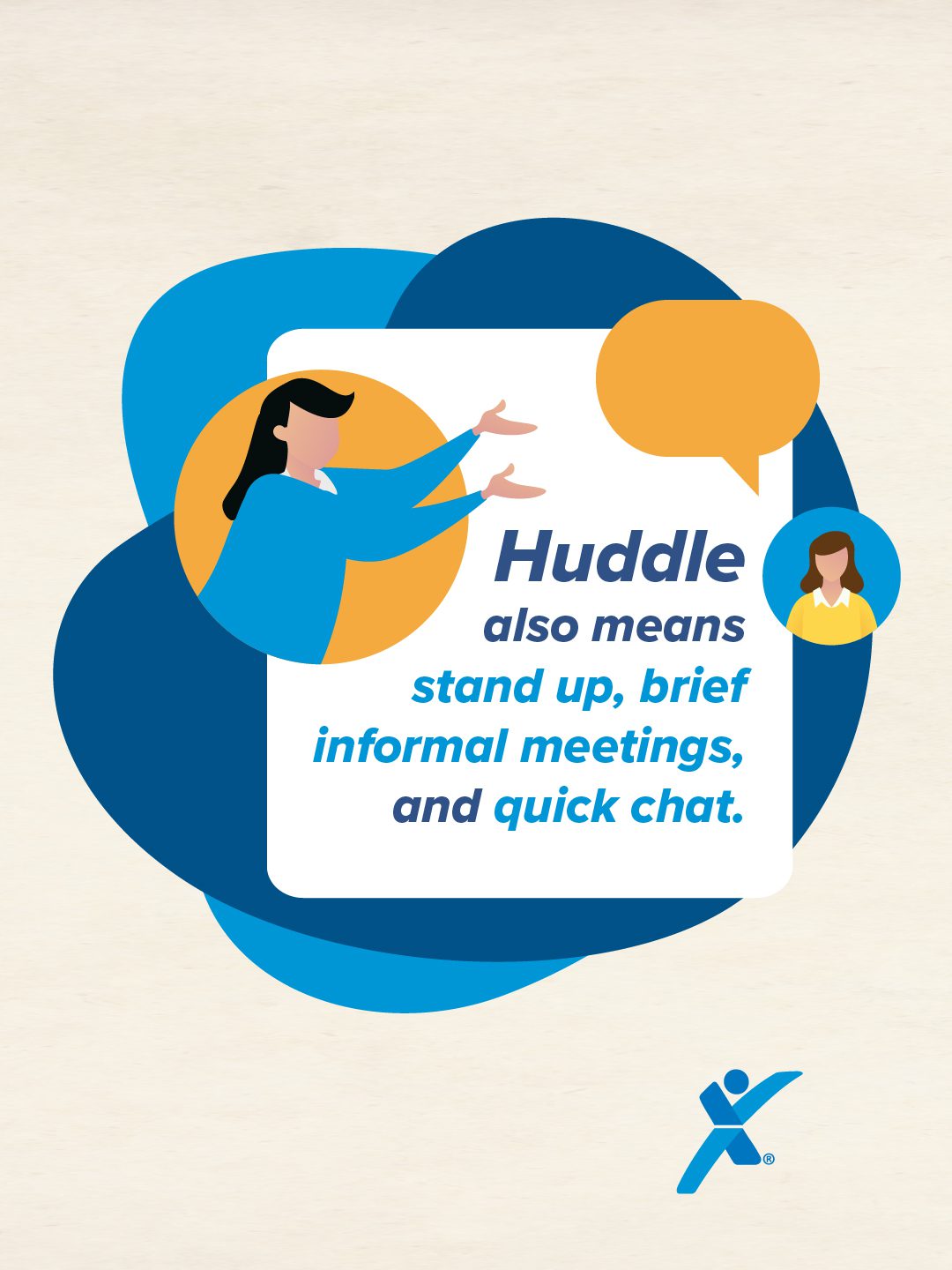
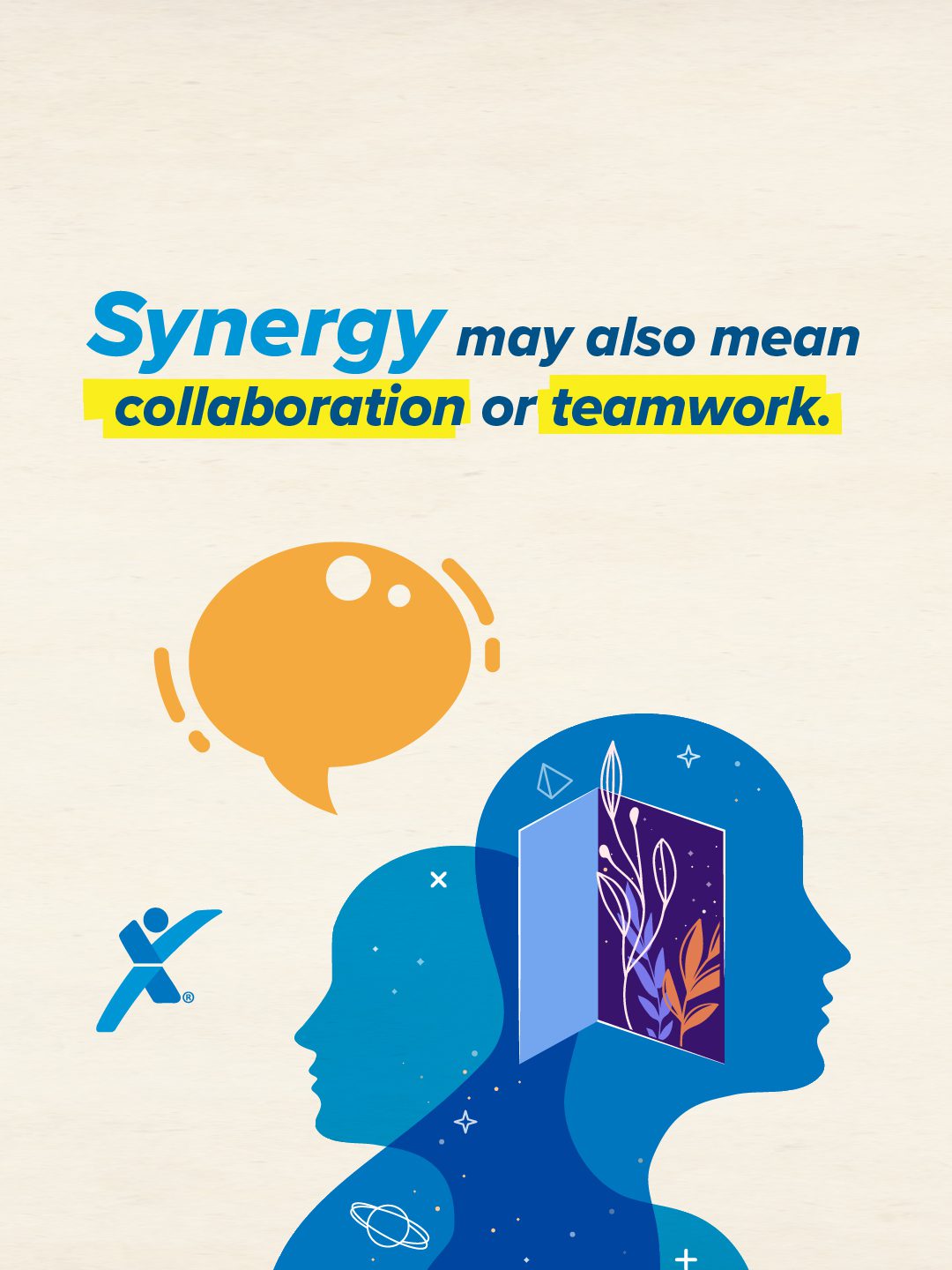
Workplace lingo is alive and dynamic. While specific words might fade, the underlying ideas persist, simply finding new expressions. From professional backgrounds to multiple generations sharing workplaces, people often use different terms to describe the same things. Expand your vocabulary to communicate more effectively with coworkers, peers, and leaders.
From the typewriter’s “carbon copy” to a mouse’s click sharing a document, this evolution reflects our progress, cultural shifts, and the ongoing need to communicate effectively. Using evolving language creates connection, leading to better working relationships, improved conflict resolution, and a more positive work environment.
About Express Employment Professionals
At Express Employment Professionals, we’re in the business of people. From job seekers to client companies, Express helps people thrive and businesses grow. Our international network of franchises offers localized staffing solutions to the communities they serve across the U.S., Canada, South Africa, Australia, and New Zealand, employing more than 11 million since its inception. Learn more at ExpressPros.com or ExpressPros.ca.
