
Burnout has become one of the most significant threats to supply chain performance. It erodes resilience, slows decision-making, and undermines the incentives meant to motivate teams. Leaders face a dual challenge: stabilizing supply chain operations while ensuring their teams remain energized, engaged, and mentally healthy. As global volatility continues to rise due to factors such as tariff uncertainty and AI-driven workforce shifts, leaders must rethink how they design incentives and support their teams.
Burnout is no longer a fringe issue; it’s a systemic risk that directly affects supply chain resilience, productivity, and employee retention. When employees feel overwhelmed, the effectiveness of incentives diminishes. Conversely, poorly structured incentives can exacerbate burnout. Addressing this issue requires a leadership mindset focused on clarity, fairness, and sustainable motivation.
What Is Causing the Surge in Burnout Among Supply Chain Professionals?
Supply chain professionals are facing unprecedented pressure. Procurement teams must navigate unstable markets, rapid cost fluctuations, and supplier disruptions, which demand constant vigilance. Meanwhile, organizations often adjust incentive compensation faster than they implement supportive strategies, leading to confusion and frustration among employees.
What Leadership Strategies Prevent Burnout?
To cultivate a resilient workforce, leaders must take proactive measures that address both operational demands and employee needs. Use essential strategies to prevent burnout while enhancing team performance:
- Build Psychological Safety: Employees should feel secure in expressing concerns about workload, supplier issues, or unrealistic timelines. Creating psychological safety reduces stress and enhances decision-making.
- Clarify Priorities: When everything seems urgent, burnout can quickly follow. Leaders should identify what truly matters and eliminate low-value tasks.
- Promote Cross-Training: Cross-training reduces bottlenecks and ensures that no individual employee becomes a single point of failure.
- Encourage Recovery Time: Leaders must model healthy boundaries and ensure that teams take breaks, paid time off (PTO), and mental health days.
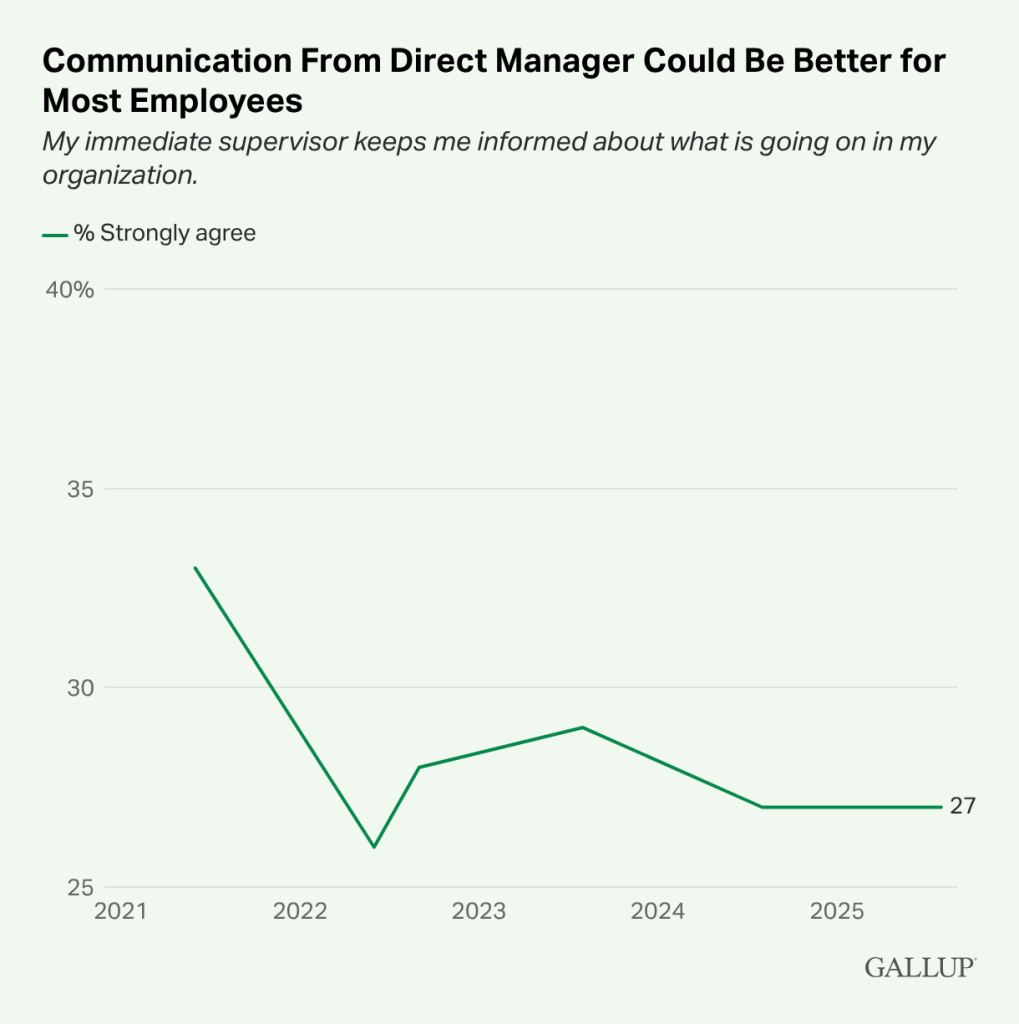
- Strengthen Communication Cadence: Regular check-ins help leaders spot early signs of burnout and adjust workloads before issues escalate.
Provided by Gallup
Aligning Incentives with Sustainable Output
Incentives can be powerful tools, but they must be designed with employee well-being in mind. Poorly structured incentives can inadvertently encourage overwork, foster internal competition, or push teams toward unsustainable performance levels. Leaders need to rethink incentive design through a human-centered lens with these key principles:
- Reward Collaboration, Not Just Output: Focusing incentives solely on individual performance can undermine teamwork.
- Balance Short-Term Wins with Long-Term Goals: Incentives should promote sustainable practices rather than quick fixes that lead to downstream problems.
- Align Incentives with Organizational Values: Employees are more motivated when incentives reflect the company’s mission and culture.
- Ensure Transparency in Compensation Changes: Rapid alterations to incentive structures can confuse workers; clarity builds trust.
- Incorporate Mental Health Considerations: Incentive programs must avoid triggering stress cycles or unhealthy competition.
Driving Supply Chain Resilience Through Human-Centric Leadership
While supply chain resilience is often discussed in terms of technology, visibility, and risk mitigation, the human element is equally critical. A resilient supply chain requires resilient people. Leaders who invest in employee well-being see improved performance, lower turnover, and greater adaptability during disruptions.
Prioritizing retention and burnout prevention enhances operational stability and reduces turnover costs. Companies that bolster their supply chain infrastructure through better systems, clearer processes, and smarter resource allocation create environments where employees can thrive instead of struggle.
Leadership Is the Ultimate Burnout Cure
Preventing burnout and optimizing incentives are intertwined aspects of leadership responsibility. When leaders foster clarity, fairness, and psychological safety, incentives become more effective, and employees feel more supported. As burnout diminishes, supply chain performance improves.
The future of supply chain leadership will belong to those who recognize that resilience starts with people. By thoughtfully designing incentives and intentionally supporting teams, leaders can build supply chains that aren’t only efficient but also sustainable.
About Express Employment Professionals
At Express Employment Professionals, we’re in the business of people. From job seekers to client companies, Express helps people thrive, and businesses grow. Our international network of franchises offers localized staffing solutions to the communities they serve across the U.S., Canada, South Africa, Australia, and New Zealand, employing more than 11 million people since its inception. For more information, visit ExpressPros.com/Employers or ExpressPros.ca/Employers.